
Introduction
In today’s hydraulic systems, especially in construction, agriculture, and material handling machinery, choosing the right pump is not just a technical decision—it directly impacts cost, efficiency, and machine reliability.
Among the many options available, the OT200 gear pump has become one of the most widely used solutions in the mid-range hydraulic market. But many buyers and engineers still ask:
-
What exactly is the OT200 gear pump?
-
What machines is it suitable for?
-
Is it the right choice compared to piston or other gear pumps?
What Is the OT200 Gear Pump?
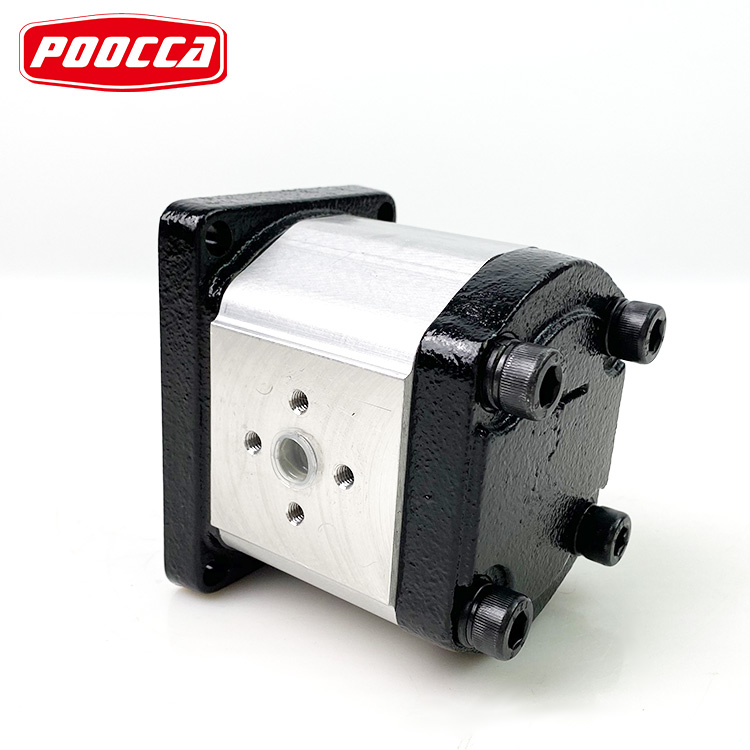
The OT200 gear pump is a fixed-displacement external gear pump designed for medium-pressure hydraulic systems. It belongs to the Group 2 category, which places it in the range of medium flow and versatile industrial applications.
Basic Definition
At its core, the OT200 is a pump that uses two meshing gears to move hydraulic oil from the inlet to the outlet. Because it is a fixed-displacement design, every rotation delivers a constant volume of fluid.
This means:
-
Flow rate depends on pump speed (RPM)
-
Output is stable and predictable
-
Control is achieved via valves, not the pump itself
Key Technical Specifications
Compared with generic gear pumps, the OT200 stands out due to its balanced performance range:
-
Displacement: approximately 4.1 – 30 cc/rev
-
Maximum pressure: up to 250–300 bar
-
Speed range: up to ~4000 rpm
-
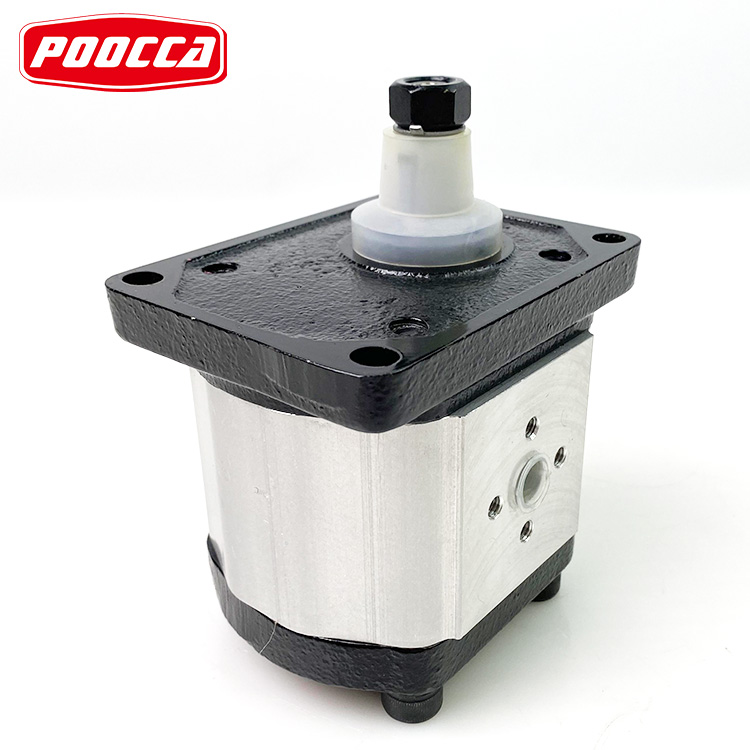
Structure: aluminum body + cast iron end covers
These parameters place it in a “mid-to-high performance gear pump” segment, suitable for both mobile and industrial systems.
Product Positioning in the Market
To truly understand the OT200, it’s important to see where it fits among other hydraulic pumps:
-
Compared to small gear pumps (Group 1)
→ Higher flow and pressure capacity -
Compared to large gear pumps (Group 3)
→ More compact and cost-efficient -
Compared to piston pumps
→ Lower cost, simpler structure, but no variable control
In practical terms, the OT200 is best described as:
“A cost-effective, medium-duty hydraulic pump for general-purpose systems.”
How the OT200 Gear Pump Works
The OT200 gear pump operates based on a classic external gear mechanism. When the gears rotate, they create a vacuum at the inlet, drawing hydraulic oil into the pump. The oil is then trapped between the gear teeth and the housing, carried around the casing, and finally pushed out at the outlet as the gears mesh again.
Because the OT200 is a fixed-displacement pump, it delivers a constant volume of oil per revolution. This means:
-
Flow is directly proportional to speed (RPM)
-
Output is stable and predictable
-
System control relies on valves, not the pump
In real applications, performance depends mainly on internal leakage and operating conditions. High pressure or worn components can increase leakage and reduce efficiency. However, thanks to its tight clearances and optimized gear design, the OT200 maintains good volumetric efficiency and reliable operation even in demanding environments.
OT200 Gear Pump Specifications
Key Technical Parameters of OT200
Typical OT200 performance range:
-
Displacement: 4.1 – 30 cc/rev
-
Max pressure: up to 250–300 bar
-
Speed: up to 3000–4000 rpm
-
Type: Fixed displacement external gear pump
These parameters place it in the mid-range hydraulic segment, ideal for most mobile and industrial systems.
Comparison with Other Pump Types
| Parameter | OT200 Gear Pump | Small Gear Pump (Group 1) | Piston Pump |
|---|---|---|---|
| Displacement | 4.1–30 cc/rev | 1–10 cc/rev | Variable |
| Max Pressure | 250–300 bar | ~150–180 bar | 350+ bar |
| Efficiency | High (85–95%) | Medium | Very High |
| Flow Control | Fixed | Fixed | Variable |
| Cost | Low–Medium | Low | High |
| Maintenance | Easy | Easy | Complex |
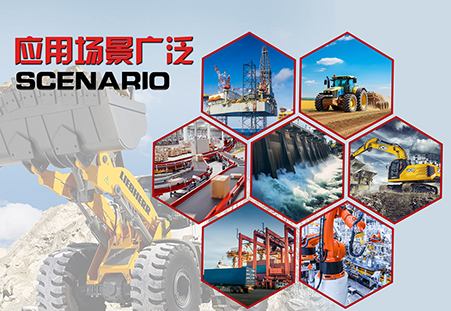
What Machinery Is the OT200 Gear Pump Applied To?
Construction & Mobile Machinery
Typical equipment:
-
Excavators
-
Wheel loaders
-
Backhoes
-
Road construction machines
Function:
-
Auxiliary hydraulic circuits
-
Steering systems
-
Attachment control
These machines require stable flow and durability under vibration and heavy loads, which is exactly what the OT200 is designed for.
Agricultural Equipment
Common applications:
-
Tractors
-
Harvesters
-
Sprayers
-
Implements (plows, seeders, loaders)
Role:
-
Hydraulic lifting systems
-
Steering assistance
-
Powering attachments
In agriculture, simplicity and easy maintenance are key—making OT200 a preferred choice.
Material Handling Equipment
Examples:
-
Forklifts
-
Telehandlers
-
Warehouse lifting systems
Why OT200 works well:
-
Frequent start-stop operation
-
Need for consistent hydraulic response
-
Moderate pressure with high reliability
Industrial Hydraulic Systems
Widely used in:
-
Hydraulic power units (HPUs)
-
Press machines
-
Injection molding machines
-
Automation production lines
Function:
-
Provide continuous oil flow
-
Support cylinders and actuators
OT200 is ideal for open-loop hydraulic systems, where flow stability is more important than variable control.
Special Vehicles & Marine Applications
Includes:
-
Dump trucks
-
Cranes
-
Winches
-
Marine deck equipment
Advantages in these fields:
-
Compact design
-
Flexible installation (multiple shafts/flanges)
-
Capability to handle harsh working conditions
Why Engineers Choose OT200
The OT200 gear pump is widely selected in hydraulic system design because it offers an optimal balance between cost, reliability, and performance. Compared with piston pumps, it has a much lower purchase price, simpler hydraulic circuit requirements, and reduced maintenance costs, making it highly attractive for cost-sensitive machinery.
From an engineering perspective, its biggest advantage is structural simplicity. With fewer moving components, the OT200 has fewer potential failure points, which significantly improves system uptime in demanding environments such as construction, agriculture, and material handling equipment.
In terms of performance, the OT200 is not designed for high-precision or variable-flow control. Instead, it delivers stable and continuous flow, which is sufficient for most open-loop hydraulic systems. This makes it a practical choice for applications where reliability is more important than fine control accuracy.
Another key advantage is system integration efficiency. The pump simplifies hydraulic circuit design, reduces valve complexity, and makes maintenance easier in field conditions.
In summary, engineers choose the OT200 because it provides a cost-effective and reliable solution for medium-duty hydraulic applications, especially where constant flow and durability are the primary requirements rather than advanced control functions.
How to Choose the Right OT200 Model
Key Selection Parameters
When choosing an OT200 pump, engineers should evaluate the following:
-
Displacement (cc/rev): determines flow output
-
Operating pressure: must match system demand
-
Speed (RPM): affects flow stability and cavitation risk
-
Shaft type & flange standard: ensures mechanical compatibility
-
Hydraulic oil type & viscosity: affects efficiency and wear
Flow Calculation
A basic sizing rule:
Flow (L/min) = Displacement × RPM ÷ 1000
This helps determine whether the pump can meet system flow requirements without overload or underperformance.
Practical Selection Recommendations
To simplify real-world selection:
-
Small systems (low flow circuits): lower displacement models
-
Medium systems (standard mobile machinery): mid-range OT200 models
-
High-demand systems: larger displacement versions within OT200 range
Always avoid selecting a pump based only on price—incorrect sizing leads to overheating, noise, and early failure.
Common Buying Mistakes
Many users make these errors:
-
Choosing too small displacement → insufficient flow
-
Oversizing pump → energy waste and system stress
-
Ignoring speed limits → cavitation and wear
-
Mismatching flange/shaft → installation failure
FAQ (Frequently Asked Questions)
Q1: Is the OT200 suitable for high-pressure systems?
Yes, it can handle up to 250–300 bar depending on configuration.
Q2: Can OT200 replace piston pumps?
Only in systems where variable flow control is not required.
Q3: What is the main advantage of OT200?
It offers the best balance between cost, durability, and performance.
Q4: How long is its service life?
With proper filtration and maintenance, it can operate for long-term industrial use.
Conclusion
The OT200 gear pump represents one of the most practical and widely used hydraulic solutions in modern industry. It delivers a strong balance of:
-
Stable performance
-
Cost efficiency
-
Mechanical reliability
-
Broad application coverage
It is not designed to replace high-end precision pumps, but to serve where dependability and affordability matter most.
From construction machinery to agricultural systems and industrial power units, the OT200 continues to be a trusted choice for engineers worldwide.
If you are looking for OT200 gear pump replacement, OEM manufacturing, or technical selection support, POOCCA is ready to assist with professional hydraulic solutions tailored to your application.
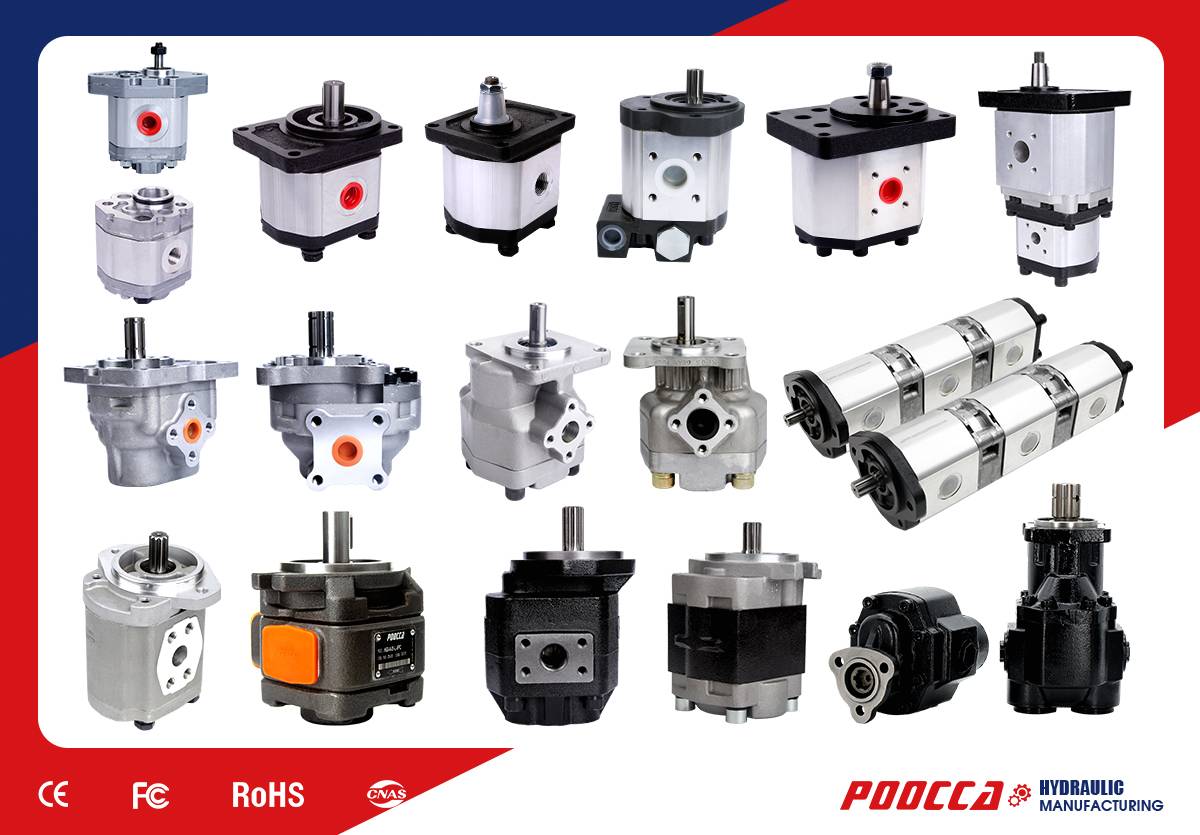
POOCCA is a professional hydraulic manufacturer with over 20 years of experience, specializing in gear pumps, piston pumps, and hydraulic motors. We provide OEM/ODM solutions, reliable replacement products for global brands, and strict quality control. Our goal is to deliver cost-effective, high-performance hydraulic solutions and fast technical support for worldwide customers.
Post time: Mar-19-2026


