
In modern hydraulic systems, engineers are increasingly focused on efficiency, stability, and energy savings. Traditional fixed-displacement pumps often deliver constant flow regardless of system demand, which can lead to energy loss, excessive heat generation, and unnecessary load on the motor. As industrial equipment becomes more automated and energy-efficient, many manufacturers are turning to Variable Vane Pumps as a smarter hydraulic solution.
A Variable Vane Pump is a type of positive displacement hydraulic pump capable of adjusting its displacement automatically according to system pressure or load requirements. Instead of producing constant flow, the pump can reduce or increase output by changing the eccentricity between the rotor and the cam ring, allowing the hydraulic system to operate more efficiently under varying working conditions.
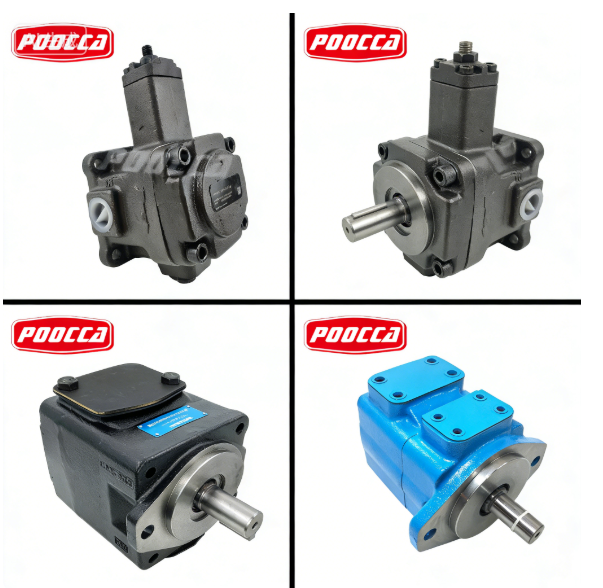
What Is a Variable Vane Pump?
Basic Definition
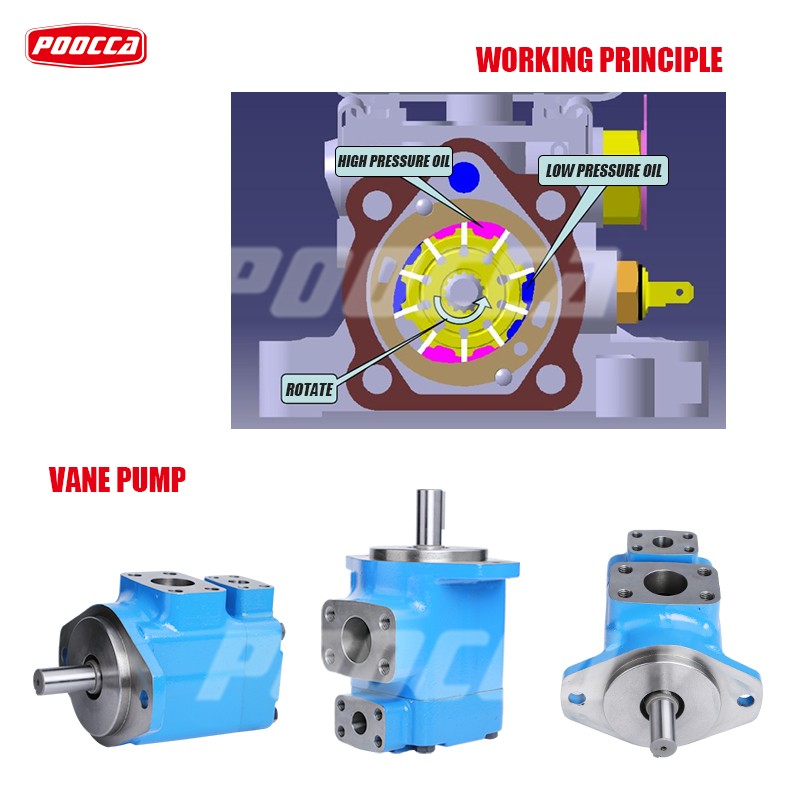
A variable vane pump works by using sliding vanes mounted inside a rotating rotor to move hydraulic fluid through the pump chamber. As the rotor rotates, the vanes slide in and out of slots, maintaining contact with the inner wall of the cam ring and forming sealed chambers that transport fluid from the inlet to the outlet.
Because the rotor is installed eccentrically within the pump housing, the chamber volume between the rotor and stator continuously changes during rotation. This change in volume creates suction on one side of the pump and discharge pressure on the other, enabling the pump to move hydraulic oil through the system.
Key Structural Components
Although different manufacturers may have slightly different designs, most variable vane pumps share several core components that ensure stable operation.
1. Rotor
The rotor is mounted on the drive shaft and rotates with the motor. It contains multiple radial slots that hold the vanes.
2. Vanes (Blades)
These are thin sliding blades installed in the rotor slots. Under centrifugal force and hydraulic pressure, the vanes extend outward and maintain contact with the cam ring, forming sealed chambers that transport oil.
3. Cam Ring (Stator)
The cam ring forms the outer wall of the pump chamber. Its internal shape determines the volume change of the working chambers.
4. Side Plates (Port Plates)
These plates control the oil inlet and outlet passages and maintain internal sealing.
5. Variable Control Mechanism
This mechanism adjusts the position of the cam ring, which changes the eccentricity between the rotor and stator and therefore alters pump displacement.
Variable Displacement Mechanism
The most important feature of a variable vane pump is its adjustable displacement capability.
When the cam ring moves relative to the rotor:
-
Larger eccentricity → larger chamber volume → higher flow output
-
Smaller eccentricity → smaller chamber volume → reduced flow
-
Near-zero eccentricity → minimal flow output
This mechanism allows the pump to automatically regulate output according to system pressure, which helps reduce power consumption and heat generation in hydraulic systems.
How a Variable Vane Pump Works
1 Suction Stage
When the rotor begins to rotate, centrifugal force or hydraulic pressure pushes the vanes outward so their tips remain in contact with the inner surface of the cam ring. This contact forms sealed chambers between adjacent vanes.
On the inlet side of the pump, the eccentric structure causes the space between the rotor and cam ring to gradually increase. As the chamber volume expands, pressure inside the chamber drops, creating a suction effect. Hydraulic oil is then drawn into the pump through the inlet port.
This stage is responsible for pulling fluid from the hydraulic reservoir into the pump chamber.
2 Oil Transport Stage
As the rotor continues rotating, the vanes carry the trapped hydraulic oil around the inside of the pump housing. During this phase, the fluid remains sealed between two vanes, the rotor, and the cam ring.
3 Discharge Stage
When the chamber reaches the outlet side of the pump, the geometry of the cam ring forces the vanes inward slightly. This causes the chamber volume to decrease.
As the chamber shrinks, the trapped hydraulic oil is compressed and forced out through the outlet port into the hydraulic system.
Once the fluid is discharged, the chamber continues rotating back toward the inlet side, where the cycle repeats.
4 Pressure Compensation in Variable Vane Pumps
In a variable vane pump, an additional mechanism allows the cam ring to move slightly relative to the rotor. By adjusting the eccentricity between these components, the pump can automatically change its displacement.
-
Higher system pressure → cam ring moves → eccentricity decreases → flow reduces
-
Higher system demand → eccentricity increases → flow output rises
This automatic regulation helps maintain system pressure while reducing unnecessary energy consumption.
Key Technical Characteristics of Variable Vane Pumps
Variable vane pumps are widely used in industrial hydraulic systems because they provide stable performance, adjustable flow, and high efficiency. Their technical characteristics determine whether they are suitable for a particular machine or hydraulic circuit.
Typical displacement ranges for common variable vane pumps are about 6–120 ml/rev, allowing them to deliver a wide range of flow rates for different industrial systems.
Depending on pump size and configuration, the maximum rotational speed can reach around 3000 rpm, while the minimum speed is usually about 600–900 rpm to ensure the vanes extend properly during operation.
In terms of efficiency, vane pumps generally achieve volumetric efficiencies of about 90% or higher under rated conditions, helping reduce power loss and improve system energy efficiency.
Another important feature is low noise and smooth flow output. Pressure-compensated vane pumps are designed to reduce vibration, heat generation, and power consumption while maintaining stable hydraulic performance.
Advantages of Variable Vane Pumps
1 Energy Efficiency
One of the biggest advantages of a variable vane pump is its energy-saving capability. The pump automatically reduces displacement when system pressure reaches the preset value, which lowers the load on the driving motor. This prevents unnecessary power consumption and reduces heat generation in the hydraulic system. Studies of industrial hydraulic systems show that variable displacement pumps can significantly reduce energy loss compared with constant-flow pumps.
2 Low Noise Operation
Another important benefit is quiet operation. The multi-vane structure creates smaller and more frequent working chambers, which reduces pressure pulsation and vibration during operation. As a result, many vane pumps operate at relatively low noise levels, making them suitable for environments where noise control is important, such as manufacturing workshops and precision equipment.
3 Smooth and Stable Flow
Because multiple vanes are continuously sealing and transporting fluid, vane pumps produce very stable flow with minimal pulsation. This smooth output helps maintain consistent pressure and improves the performance of precision hydraulic systems such as CNC machine tools or injection molding machines.
4 Longer Component Service Life
The internal hydraulic forces in a vane pump are relatively well balanced. This reduces mechanical stress on the rotor and bearings, which can help extend the service life of the pump and other hydraulic components. With proper lubrication and oil cleanliness, vane pumps can operate reliably for long periods in industrial systems.
5 Ideal for Medium-Pressure Industrial Systems
Variable vane pumps perform especially well in medium-pressure hydraulic circuits where stable flow, energy efficiency, and low noise are required. For many industrial machines, they provide a practical compromise between the simplicity of gear pumps and the high-pressure capability of piston pumps.
Limitations and Common Misunderstandings
1. Sensitivity to Contaminants and Fluid Quality
Vane pumps rely on tight clearances and precise vane sealing. Contaminants such as dirt, abrasive particles, or degraded oil can quickly wear vanes and the cam ring, leading to leakage, reduced efficiency, and service life loss.
2. Limited High‑Pressure Capability
Although suitable for medium‑pressure systems, vane pumps generally aren’t the best choice for very high pressures (well above ~250–300 bar) where piston pumps often perform better. Excessive pressure increases vane wear and accelerates internal leakage.
3. Viscosity and Suction Limitations
Vane pumps perform best with low to medium viscosity fluids; very thick or heavy oils can increase friction and heat, reducing efficiency and potentially causing damage. Their suction lift may also be lower than gear pumps, making them less effective in some configurations.
4. Wear and Maintenance Needs
The sliding vanes and seals are wear parts. Although vane pumps are generally easier to maintain than complex piston pumps, the requirement for well‑maintained seals and timely vane replacement can increase maintenance compared to simpler gear pumps.
5. Misunderstanding: “Variable Vane Pumps Are Always More Efficient”
While variable vane pumps can save energy in systems with fluctuating loads, they are not always more efficient than fixed‑displacement pumps in constant‑flow scenarios. The efficiency benefit depends on how well the pump’s control strategy matches system demand.
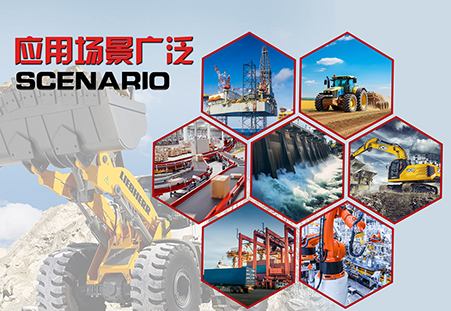
Typical Applications of Variable Vane Pumps
Industrial Machinery
Variable vane pumps are widely used on factory floors to power hydraulic actuators, cylinders, and automated systems. Typical applications include:
-
CNC machine tools and machining centers
-
Injection molding machines
-
Press machines
-
Conveyor systems
In these environments, the pump’s ability to adapt flow to different cycles and loads helps improve precision and system responsiveness.
Construction and Mobile Equipment
In mobile hydraulics, vane pumps provide reliable hydraulic power for:
-
Lift and steering systems
-
Loaders and excavators
-
Road rollers and aerial platforms
Their compact design and smooth hydraulic delivery make them suitable where space and weight are limited.
Automotive and Transportation
Variable vane pumps are a common choice in automotive hydraulic systems, such as:
-
Power steering units
-
Automatic transmission pumps
-
Lubrication systems
The low noise and stable flow output improve ride comfort and mechanical reliability.
Agriculture and Material Handling
In agricultural machinery, vane pumps power implements like:
-
Plows and harvesting arms
-
Seeder and tillage controls
They ensure consistent flow and responsive control even under fluctuating loads.
Specialty and Auxiliary Systems
Beyond core industry use, vane pumps are employed in:
-
Marine steering and winch systems
-
Hydraulic power units for auxiliary operations
-
Material handling lifts and presses
Overall, variable vane pumps serve many sectors where adjustable flow, quiet operation, and stable pressure are priorities.
How to Choose the Right Variable Vane Pump
1. Define Operating Pressure and Load Conditions
First determine your system’s maximum and continuous pressure requirements. Choose a pump whose rated pressure exceeds your peak operating pressure by at least 10–20% to ensure durability. Oversizing pressure capability helps reduce wear and leakage.
2. Match Displacement to Flow Needs
Displacement (ml/rev) directly determines flow at a given speed. Calculate required flow based on actuator speeds and duty cycles, then select a pump with a displacement that meets this range without oversizing — oversized pumps waste energy, while undersized pumps can cause cavitation and slow response.
3. Consider Fluid Compatibility and Viscosity
Ensure the pump’s internal materials and seal compounds are compatible with your hydraulic fluid type and viscosity range. Vane pumps perform best with typical hydraulic oils in the 10–200 cSt range; very high viscosities can increase friction and heat.
4. Evaluate Speed and Drive Compatibility
Check both minimum and maximum operating speeds. Vane pumps require sufficient RPM to allow vanes to extend properly; otherwise, internal wear can accelerate. Confirm pump specifications align with your motor or prime mover speed.
5. Filtration and Contamination Tolerance
Because vane pumps have tight clearances, good filtration is essential. Plan upstream filtration at 10–25 µm to protect components. In environments with poor filtration, gear pumps or other designs may be more suitable.
6. Noise, Mounting, and Porting Requirements
If system noise is a concern, consider models with design features that reduce vibration and sound. Also verify the port configuration, driver mounting, and shaft orientation to ensure easy integration into existing systems.
7. Long‑Term Value Over Initial Price
Don’t focus solely on upfront cost. Evaluate total cost of ownership, including energy consumption, maintenance frequency, and part availability. Premium manufacturers often provide better documentation, test performance curves, and global support — which can reduce downtime and long‑term expenses.
Conclusion & Call to Action
Variable vane pumps are a proven and effective solution for medium‑pressure hydraulic systems where energy efficiency, smooth flow, and reliable performance are essential. Their adjustable displacement mechanism allows the pump to automatically match output with system demand, which reduces unnecessary energy use and heat generation compared with fixed‑displacement alternatives.
These pumps deliver stable and low‑pulsation flow, making them ideal for precision applications such as CNC machining, injection molding, and industrial automation. Their compact design and comparatively quiet operation further expand their suitability across diverse industries.
At POOCCA, we offer a wide range of high‑quality variable vane pumps engineered for performance, durability, and efficiency. With over two decades of experience in hydraulic pump design and manufacturing, we help customers choose the right pump based on system requirements rather than price alone — ensuring better long‑term value.
Ready to optimize your hydraulic system?
Contact POOCCA’s technical team for personalized support, expert selection advice, and competitive quotes tailored to your application.

Post time: Mar-16-2026


