
Introduction
A true high-performance pump is not defined by high pressure or high flow alone—it is defined by how efficiently it converts energy into stable hydraulic output over time.
In practical terms, the best high-performance hydraulic pumps today can achieve:
-
90%–95% overall efficiency
-
Stable operation at 350–500+ bar pressure
-
Consistent performance under variable load conditions
This means one thing for users:
The real value of a high-performance pump is lower energy cost + higher reliability + longer service life — not just “more power.”
What Defines a High-Performance Hydraulic Pump?
Key Performance Indicators
1. Efficiency
Efficiency determines real performance and cost.
-
Gear pump: ~80–85%
-
Vane pump: ~85–90%
-
Piston pump: 90–95%+
Higher efficiency means less energy loss, less heat, and lower operating cost.
2. Pressure Capability
-
Gear: <250 bar
-
Vane: ~210 bar
-
Piston: >400 bar
But high pressure alone ≠ high performance. Efficiency must remain high under load.
3. Flow Stability
High-performance pumps deliver:
-
Stable flow
-
Low pulsation
-
Fast response
Vane and piston pumps offer smoother output, while piston pumps provide the best control accuracy.
4. Power Density
High-performance pumps deliver more power in a smaller size.
5. Reliability & Lifespan
Piston pumps can exceed 10,000 hours due to precision design and low leakage, making them ideal for demanding applications.
Core Formula (Critical Insight)
Overall Efficiency = Volumetric Efficiency × Mechanical Efficiency
Even small losses multiply, meaning precision engineering directly impacts performance.
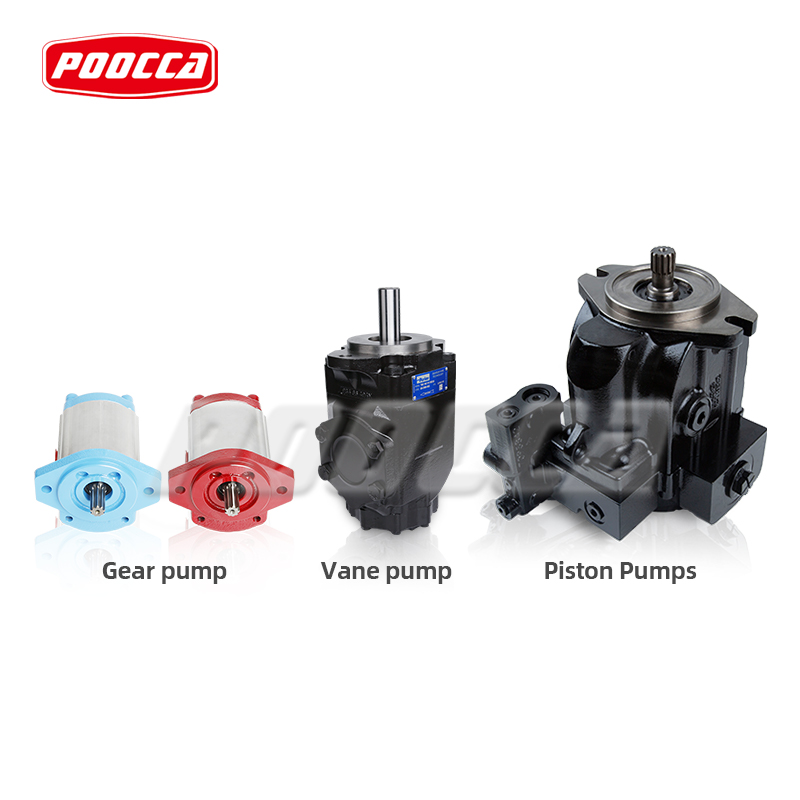
Performance Comparison: Gear vs Vane vs Piston Pumps
If your goal is true high performance, piston pumps clearly outperform gear and vane pumps in efficiency, pressure capability, and control precision—but at a higher initial cost.
Core Comparison Table
| Pump Type | Efficiency | Max Pressure | Flow Stability | Cost Level | Performance Level |
|---|---|---|---|---|---|
| Gear Pump | 80–85% | <250 bar | Medium (pulsation) | Low | Basic |
| Vane Pump | 85–90% | ~210 bar | High (smooth flow) | Medium | Medium |
| Piston Pump | 90–95%+ | >400 bar | Very high (precise control) | High | High-performance |
Data insight:
-
Piston pumps achieve ≥93% volumetric efficiency and operate above 400 bar
-
Gear pumps suffer from internal leakage, reducing efficiency to ~80–85%
-
Vane pumps offer a balance but are sensitive to contamination
Performance Differences Explained
Gear Pumps – Cost-Effective but Limited
-
Simple structure, low cost
-
Suitable for low to medium pressure systems
-
Main drawback:
-
Lower efficiency due to internal leakage
-
Less precise flow control
-
Best for: budget-sensitive applications
Vane Pumps – Smooth but Sensitive
-
Low noise and smooth flow output
-
Better efficiency than gear pumps
-
Weakness:
-
Highly sensitive to oil contamination
-
Maintenance costs can increase over time
-
Best for: systems requiring stable flow and low noise
Piston Pumps – True High-Performance Solution
-
Highest efficiency and pressure capability
-
Excellent variable control (load-sensing, pressure compensation)
-
Can reduce energy loss by up to 40% in heavy-duty systems
Best for:
-
Excavators
-
Industrial automation
-
High-load, continuous-duty systems
The Real Trade-Off
| Factor | Gear Pump | Piston Pump |
|---|---|---|
| Initial Cost | Low | High |
| Energy Consumption | High | Low |
| Lifespan | Shorter | Longer |
| Total Cost (5+ years) | Higher | Lower |
Insight:
A piston pump may cost 2–3× more upfront, but its energy savings and durability often make it cheaper long-term
How High-Performance Pumps Improve Productivity & Reduce Cost
Higher Efficiency = Immediate Energy Savings
The biggest advantage comes from efficiency.
-
Gear pump: ~80–85%
-
Piston pump: 90–95%
This difference means:
-
Gear pump wastes 15–20% energy as heat
-
Piston pump wastes only 5–10%
Additionally, advanced piston pump systems can reduce energy loss by up to 40% through better flow control and load matching
Faster Cycle Time = Higher Productivity
High-performance pumps deliver:
-
Stable flow
-
Quick response to load changes
-
Accurate control
This results in:
-
Faster actuator movement
-
Shorter machine cycle times
-
Increased output per hour
For example, in construction equipment or injection molding:
-
Even a 5–10% cycle time reduction can significantly increase annual production.
Lower Heat = Longer System Life
Energy loss becomes heat—and heat is the enemy of hydraulic systems.
Inefficient pumps cause:
-
Oil degradation
-
Seal damage
-
Increased leakage
Efficient pumps:
-
Reduce internal leakage
-
Maintain stable temperature
-
Extend component life
Stability = Less Downtime
High-performance pumps (especially piston pumps) maintain:
-
Stable pressure
-
Consistent flow under varying loads
This prevents:
-
Pressure fluctuations
-
System instability
-
Unexpected shutdowns
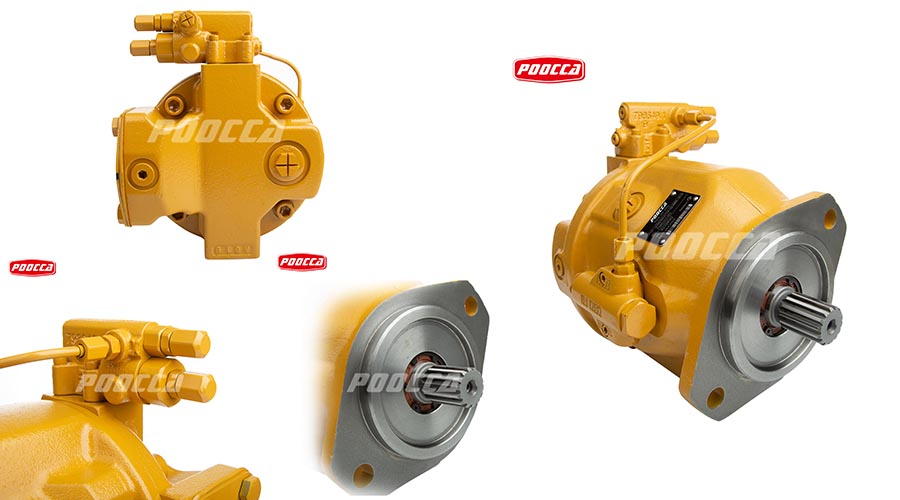
Key Technologies Behind High-Performance Pumps
The reason high-performance pumps outperform standard pumps is not just structure—it is the advanced technologies inside them, especially in precision control, leakage reduction, and energy optimization.
Variable Displacement Technology
The most important breakthrough in modern hydraulic pumps is variable displacement control.
-
Adjusts flow based on system demand
-
Eliminates unnecessary energy output
-
Reduces energy loss by up to 40% in heavy-duty systems
Precision Manufacturing & Tight Tolerances
High-performance pumps rely on:
-
Micron-level machining
-
High-precision components
-
Optimized internal clearances
This leads to:
-
Reduced internal leakage
-
Higher volumetric efficiency (≥93% in piston pumps)
Advanced Sealing & Leakage Control
Internal leakage is the biggest source of efficiency loss.
-
Gear pumps: more leakage → lower efficiency
-
Piston pumps: minimal leakage due to tight sealing
Studies show gear pumps can lose 10–15% efficiency compared to piston pumps due to leakage and friction
Load-Sensing & Pressure Compensation
Modern high-performance systems use:
-
Load-sensing control
-
Pressure-compensated systems
These technologies:
-
Automatically adjust output
-
Maintain stable pressure
-
Improve system responsiveness
Optimized Flow Dynamics (Low Pulsation Design)
Flow stability is critical in high-end systems.
-
Gear pumps: pulsation ~3–5%
-
Vane & piston pumps: <1% pulsation
Common Misconceptions About High-Performance Pumps
Misconception 1: Higher Pressure Means Better Performance
Many users believe that a pump with higher pressure rating is automatically better. This is incorrect.
A pump may reach high pressure but still:
-
Waste energy
-
Generate excessive heat
-
Have poor efficiency under load
True high-performance pumps must maintain high efficiency even at high pressure, not just survive it.
Misconception 2: All Piston Pumps Are High-Performance
Piston pumps are often considered the best option, but not all of them perform equally.
Performance depends on:
-
Manufacturing precision
-
Control system design
-
Internal leakage level
-
Application matching
A poorly selected piston pump can still perform worse than a properly matched vane pump in some systems.
Misconception 3: Expensive Pumps Always Deliver Better Value
High price does not guarantee long-term value.
What really matters is:
-
Energy consumption
-
Maintenance frequency
-
System compatibility
In some low-duty applications, a gear pump may provide better overall value despite lower efficiency.
Misconception 4: Efficiency Differences Are Not Important
Some buyers underestimate efficiency differences of 5 to 10 percent.
In continuous operation:
-
Small efficiency losses become large energy costs
-
Heat generation increases system wear
-
Maintenance costs rise over time
Efficiency is not a technical detail. It is a long-term cost factor.
How to Choose the Right High-Performance Pump
1. Working Pressure
Low pressure systems below 160 bar can use gear pumps. Medium pressure applications up to 250 bar often use vane pumps. High pressure systems above 250 bar generally require piston pumps because they maintain efficiency under heavy load.
2. Flow Requirement
Flow determines system speed. Gear pumps are suitable for small flow systems, while vane and piston pumps are better for medium and high flow applications where stability is required.
3. Duty Cycle
Intermittent operation allows simpler pump types. Continuous heavy-duty operation requires high-efficiency piston pumps to reduce heat generation and wear.
4. Efficiency Requirement
Efficiency directly affects operating cost. Even a 5–10 percent difference can significantly impact long-term energy consumption and total cost of ownership.
5. System Sensitivity
Precision systems such as CNC machines or injection molding require low pulsation, fast response, and stable pressure. These conditions are best handled by piston pumps.
Final Conclusion
A true high-performance pump is not defined by a single parameter such as pressure or brand. It is defined by its ability to deliver:
-
High efficiency with minimal energy loss
-
Stable and precise hydraulic output
-
Long service life under real working conditions
-
Lower total cost of ownership over time
In most industrial systems, the key decision is not “what is the cheapest pump?”, but “what pump gives the best long-term performance and cost balance?”
In almost all high-demand applications, piston pumps represent the highest level of hydraulic performance, while gear and vane pumps still play important roles in cost-sensitive or medium-duty systems.
Why Choose Poocca
Poocca provides a full range of hydraulic solutions including gear pumps, vane pumps, piston pumps, and hydraulic system components. With more than 20 years of manufacturing experience, Poocca focuses on delivering:
-
Stable and efficient hydraulic performance
-
OEM and ODM customization
-
Reliable industrial-grade quality
-
Global supply capability
Whether your application is construction machinery, industrial automation, or heavy-duty hydraulic systems, Poocca can provide cost-effective and performance-oriented hydraulic solutions.
Post time: Mar-23-2026


