
Introduction — Aluminum Hydraulic Gear Pump
An aluminum hydraulic gear pump is a type of positive‑displacement pump used in hydraulic systems where fluid is moved and pressurized by the mechanical action of interlocking gears. In these pumps, the body or housing is made primarily from aluminum alloy — chosen for its combination of lightweight construction, good thermal performance, and corrosion resistance compared with traditional materials like cast iron or steel.
Unlike centrifugal pumps that generate pressure through fluid acceleration, gear pumps work by trapping fixed volumes of fluid between the gear teeth and the pump housing and carrying them from the inlet to the discharge side with every revolution. This results in a reliable, proportional flow that makes gear pumps among the most widely used solutions in industrial, mobile, and process hydraulics.
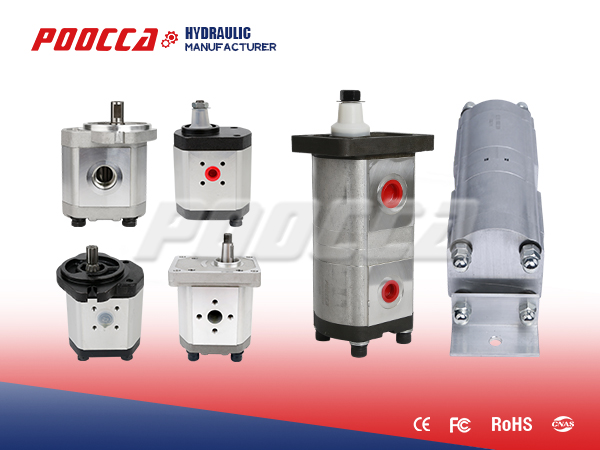
Why Aluminum Gear Pumps Are Used Today
Aluminum hydraulic gear pumps have become a widely adopted choice in many hydraulic circuits due to a unique combination of performance, manufacturing, and application benefits. Rather than just repeating that they are “lightweight,” it’s important to understand the precise engineering reasons behind their popularity:
1. Lightweight Yet Sufficiently Strong
Aluminum’s density (~2.7 g/cm³) is significantly lower than that of cast iron or steel, meaning an aluminum pump housing can reduce overall system weight without compromising basic structural integrity. In mobile applications — such as construction equipment, agricultural machinery, or aerial lifts — this weight advantage can translate into better fuel efficiency and increased payload capacity.
Modern aluminum alloys subjected to appropriate heat treatment and design optimization exhibit good wear resistance and can operate reliably under moderate to high hydraulic loads. This makes them suitable for a wide range of industrial and mobile hydraulic uses.
2. Excellent Thermal Performance
Unlike cast iron, aluminum has a high thermal conductivity, allowing the pump housing to act as an effective passive heat sink. This helps dissipate heat generated inside the pump during operation, contributing to stable temperatures and potentially longer component life — especially in continuous or high‑speed duty cycles.
3. Corrosion Resistance
Aluminum naturally forms a protective oxide layer that inhibits rust and corrosion even in humid or mildly corrosive environments. When combined with surface treatments like anodizing or coatings, aluminum gear pumps can be well‑suited for environments where moisture or chemical exposure is a concern.
4. Machinability & Manufacturing Flexibility
Aluminum is easier to machine and cast to complex shapes and tighter tolerances compared with many heavier metals. This enables more precise internal geometries and potentially sharper manufacturing cost benefits, particularly in small to medium production runs.
5. Diverse Application Fit
Aluminum gear pumps are now found across diverse systems beyond basic hydraulics — including hydraulic power units, lubrication systems, fluid transfer tasks, and material handling circuits. Many modern designs support pressures up to the mid‑to‑high industrial range (often ~150–260 bar or more) and speeds matching typical mobile and industrial hydraulic demands.
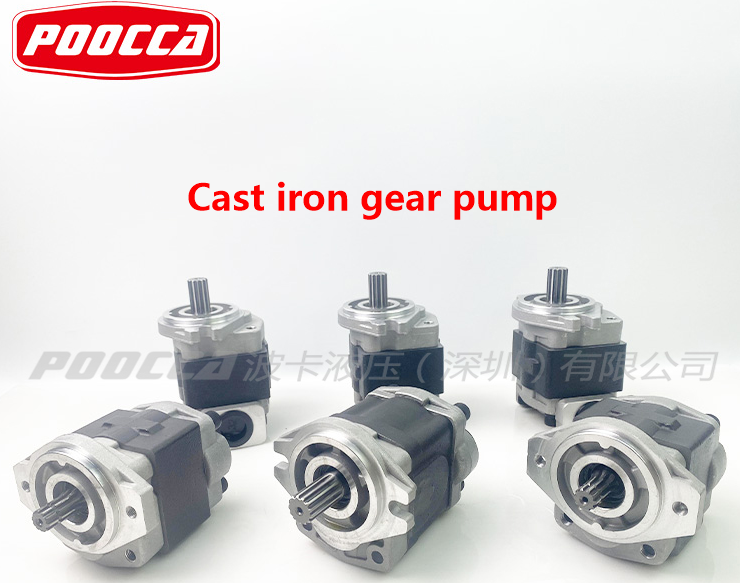
Material Trade‑offs: Aluminum vs Cast Iron vs Steel (Comparison Table)
| Characteristic | Aluminum Alloy | Cast Iron | Steel Alloy |
|---|---|---|---|
| Weight | Very Light — Reduces system mass and improves mobility. | Heavy — Adds weight; less ideal for mobile systems. | Heavy — Similar to cast iron, depending on alloy. |
| Thermal Conductivity | Excellent — Dissipates heat faster, aids thermal stability. | Moderate — Lower than aluminum, but stable. | Moderate — Similar to cast iron. |
| Corrosion Resistance | Good — Natural oxide layer resists corrosion. | Moderate — Requires paint/coatings to prevent rust. | Strong — Alloy steels can be highly corrosion resistant depending on composition. |
| Mechanical Strength | Moderate — Adequate for many systems, lower than iron/steel. | High — Rigid and stable, good under heavy load. | Very High — Excellent tensile and fatigue strength. |
| Wear & Abrasion Resistance | Moderate — More susceptible without proper design/clearances. | High — Typically better wear resistance in harsh conditions. | Very High — Especially with hardened surfaces. |
| Noise & Vibration Damping | Lower — Less damping than cast iron. | Excellent — Natural vibration and noise absorption. | Moderate — Less damping than cast iron. |
| Cost (Material & Machining) | Moderate — Lighter weight and machinability can reduce costs. | Low‑Moderate — Common and cost‑effective to produce. | High — More costly alloy and machining. |
| Suitable Pressure Range | Moderate — Often ideal up to moderate industrial pressures. | High — Well suited for high pressure and continuous duty. | Very High — Best choice for ultra‑high pressure systems. |
| Best Fit Applications | Mobile & medium‑pressure systems (construction, agriculture, PWUs). | Heavy‑duty industrial systems with continuous operation. | Extreme pressure/abrasive environments (mining, heavy hydraulics). |
Key Takeaways from the Table
-
Aluminum pumps excel in weight‑sensitive and corrosion‑aware environments, offering good thermal conductivity and machinability.
-
Cast iron is ideal for heavy industrial use, valued for rigidity, vibration damping, and wear resistance, though it adds weight and may need corrosion protection.
-
Steel alloys push performance further with the highest strength and abrasion tolerance, suited for systems demanding extreme pressure and long life, albeit at a higher cost.
How to Select the Right Aluminum Gear Pump
-
Determine required flow rate and pressure — identify your system’s flow (L/min or GPM) and maximum operating pressure so the pump’s capacity and rating match or exceed them.
-
Match displacement to system needs — use displacement and speed to calculate actual flow and ensure it meets your demands with some margin.
-
Check fluid compatibility — confirm the pump’s seals and materials handle the fluid’s viscosity, temperature, and chemistry.
-
Verify suction and plumbing conditions — ensure suction lift, inlet piping size, and discharge head are within acceptable limits to prevent cavitation.
-
Confirm mechanical fit — check that shaft type, mounting style, and port sizes align with your system layout.
-
Review performance curves before finalizing — overlay your operating point on manufacturer curves to verify capacity under real conditions.
-
Consider lifecycle value — evaluate total ownership cost, including maintenance and energy use, not just upfront price.
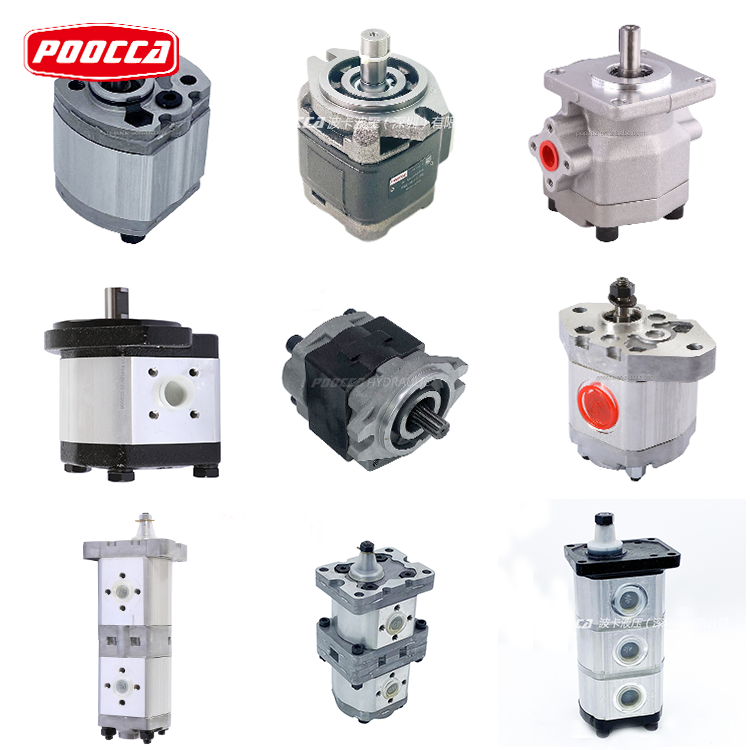
Specifications and Real‑World Examples (Illustrative Data)
To make abstract selection criteria concrete, here are actual specification ranges from existing aluminum hydraulic gear pumps you’ll commonly see in the market — useful for comparing performance expectations:
| Example Pump / Series | Displacement Range | Flow / Rated | Pressure Rating | Speed (rpm) |
|---|---|---|---|---|
| 2PE Series Aluminum Gear Pumps | ~0.68 in³/rev (~11 cm³) | ~5.2 GPM @ 1800 rpm | Continuous up to ~3600 psi (248 bar) | Up to ~4000 rpm |
| Hydreco HY / 1 PN Range | 4 – 22.9 cm³/rev | — | Up to 250 bar (4060 psi) | — |
| Hydreco HY2 Series | 4.5 – 31.7 cm³/rev | — | Continuous ~260 bar, Intermittent ~290 bar | Up to ~4000 rpm |
| GP‑F10‑61‑P‑C | ~6.1 cm³/rev | Rated ~6.1 cm³ @ 2000 rpm | ~3625 psi (~250 bar) | Max ~4000 rpm |
| APQ‑20‑25 Series | ~1.52 in³ (~25 cm³) | ~11.84 GPM @ 1800 rpm | ~3650 psi (~252 bar) | Max ~3600 rpm |
| Parker D / HD Series | Up to ~10.5 cm³/rev | — | Up to ~172 bar (~2500 psi) | Up to ~4000 rpm |
| Casappa Polaris Group | ~2.67 – 33.03 cm³/rev | — | Up to ~3700 psi (~255 bar) | Up to ~4000 rpm |
Key Takeaways from These Specs:
-
Displacement: Aluminum gear pumps are available in wide ranges — from small (~6 cm³/rev) units for lower flow needs to larger variants (~30 cm³/rev+) for higher flow demands.
-
Pressure Capability: Typical continuous pressure ratings for aluminum‑body gear pumps fall between ~170 bar and ~260 bar, with many designs able to handle peak pressures above ~280 bar.
-
Speed Limits: Most designs are rated up to ~3600–4000 rpm, which aligns with many industrial hydraulic system standards.
These examples show that aluminum hydraulic gear pumps can handle practical industrial duties, with performance that often rivals heavier cast iron units — especially when equipped with cast iron end plates or reinforced components to improve mechanical strength and wear resistance.
Maintenance & Longevity Best Practices
Proper maintenance significantly extends the life and reliability of an aluminum hydraulic gear pump. The following are expert‑recommended best practices that help prevent failure and reduce downtime:
1. Keep Hydraulic Fluid Clean
Contamination is the leading cause of pump wear; use correct filtration and target cleanliness levels (e.g., ISO 16/14/11 or better) to protect internal components.
2. Regularly Change Fluid and Filters
Hydraulic fluid degrades; schedule fluid and filter changes based on hours of operation to maintain lubrication and prevent buildup of particulates.
3. Inspect Seals, Bearings & Hoses
Visually check seals, bearings, and hoses for leaks or wear — early detection prevents larger failures.
4. Monitor Operating Conditions
Track system pressure, temperature, and vibration — deviations from normal ranges can signal developing issues before they worsen.
5. Proper Lubrication & Alignment
Ensure correct lubricant type and keep moving parts aligned and mounted securely, as misalignment leads to excessive wear.
6. Never Run Dry
Always confirm fluid presence before startup — dry running rapidly damages internal gear surfaces and bearings.
7. Maintain a Routine Schedule
Set inspection and service intervals (daily, weekly, monthly, or by hours of use) and document maintenance performed.
8. Protect from External Contamination
Keep the pump and surrounding area clean; dust, dirt and water can enter the system and accelerate internal wear.
Industry Trends & Market Insights — What’s Driving Aluminum Gear Pump Adoption
The hydraulic gear pump market, especially for aluminum hydraulic gear pumps, is evolving rapidly due to a blend of technical, economic, and regulatory forces. Understanding these trends gives you foresight into where the industry is headed and why aluminum gear pumps are increasingly relevant for modern applications.
1. Lightweight & Sustainability Priorities
Aluminum gear pumps support overall system weight reduction, which improves energy efficiency and aligns with stricter emissions and sustainability targets in automotive and mobile machinery sectors. Lightweight components are particularly valued in electric vehicle (EV) and construction equipment design because they help reduce fuel or battery consumption.
2. Growth Across Automotive, Industrial & Agricultural Fields
Automotive lubrication, industrial fluid transfer, agriculture hydraulics, and construction equipment are all major application drivers. The trend toward high‑performance, reliable fluid handling systems across these sectors fuels demand for aluminum gear pumps that balance performance with corrosion resistance and cost‑effectiveness.
3. Advanced Materials & Smart Technologies
The industry is increasingly incorporating advanced aluminum alloys and precision machining to enhance pump performance, while smart technologies and IoT integration allow for real‑time monitoring, predictive maintenance, and reduced downtime — adding value beyond basic hydraulic performance.
4. Customization & Application‑Specific Solutions
Manufacturers are offering tailored gear pump solutions with a range of flow rates, pressure capacities, and port configurations to match specific industry needs — from food & beverage dosing to heavy‑duty construction hydraulics. This trend reflects a move toward modular, optimized pump systems rather than one‑size‑fits‑all offerings.
5. Automation and Smart Manufacturing Integration
As factories and equipment systems become smarter, gear pumps (including aluminum ones) are increasingly part of automated, instrumented hydraulic systems that improve fluid control accuracy and enable predictive maintenance. This trend boosts system reliability and operational uptime.
Poocca’s Expert Recommendations & Call to Action
At Poocca, we combine two decades of hydraulic expertise with deep product engineering to help customers select, optimize, and deploy aluminum hydraulic gear pumps that truly fit their needs.
1. Align Pump Choice to Your System’s Goals
The best aluminum gear pump isn’t just the cheapest — it’s the one that meets your flow, pressure, installation, and environment requirements without compromise. Our engineers can evaluate your system parameters and recommend the most efficient model and configuration for your mission‑critical application.
2. Evaluate Real Performance, Not Just Ratings
Many pumps have similar pressure or displacement specs on paper, but performance varies with efficiency, thermal stability, and longevity under real conditions. We guide you through performance curves, efficiency trade‑offs, and long‑term value assessments so you avoid common pitfalls that narrow spec sheets hide.
3. Material & Customization Expertise
Aluminum gear pumps excel in weight‑sensitive and corrosion‑aware applications, but they require thoughtful design for sealing, thermal expansion, and wear resistance. Poocca offers custom housings, reinforced covers, and solution engineering to maximize service life while retaining aluminum’s advantages.
4. Stay Ahead with Market Trends
The hydraulic gear pump market is growing — with predicted expansion in sectors like construction, agriculture, and automation — and more gear pumps are adopting advanced materials, smarter designs, and predictive maintenance capabilities.
Poocca stays ahead of these trends to deliver products that combine efficiency, durability, and future‑ready performance.
5. Practical Support & After‑Sales Service
We don’t just sell pumps — we partner with you from specification to commissioning and beyond. Poocca provides technical documentation, installation guidance, and spare parts support so your system runs smoothly for years.
Contact Poocca’s hydraulic experts today for:
-
Detailed pump selection support tailored to your application
-
Custom engineering or design consultation
-
Product specifications, performance curves, and CAD models
-
Competitive quotation and delivery options
Request a quote or engineering consultation now — let’s build a system that performs reliably under pressure and delivers the value you expect.
Post time: Feb-27-2026


